How to Choose the Best Smartphone in 2026: A Complete Guide
Published: July 2026 | Reading time: 5 min
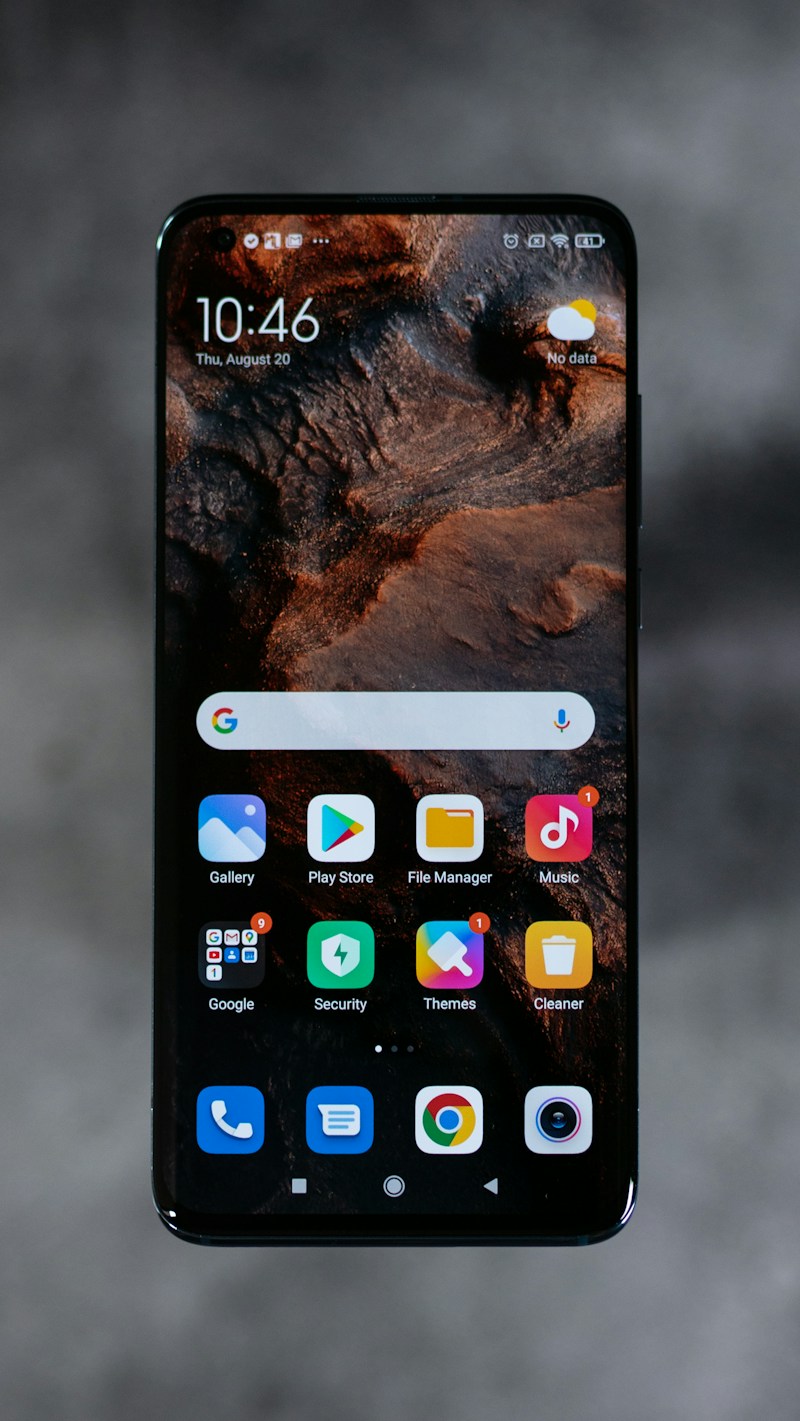
Choosing a smartphone in 2026 is harder than ever. With so many brands, specs, and price points, it's easy to feel overwhelmed. This guide breaks down everything you need to know to make the right choice — whether you're on a budget or looking for flagship performance.
1. Define Your Budget First
Before looking at any specs, decide how much you're willing to spend. Smartphones in 2026 range from $150 (entry-level) to over $1,500 (premium foldables). Setting a budget narrows your options and saves time.
- Under $300: Best for basic use (calls, messaging, light browsing).
- $300 – $700: Mid-range, great performance, good cameras.
- Over $700: Flagship devices with AI features, top cameras, and long-term updates.
2. Operating System: Android vs iOS
This is the biggest decision. Android offers flexibility, customization, and a wide range of devices. iOS (Apple) offers a seamless ecosystem, better privacy, and longer software support — typically 6 to 7 years.
Our recommendation: Choose Android if you like tweaking settings. Choose iOS if you want simplicity and ecosystem integration with Mac/iPad.
3. Processor and Performance
The chipset determines speed, gaming performance, and battery efficiency. In 2026, look for these top processors:
- Snapdragon 8 Gen 4 – Android flagship
- Apple A18 Bionic – iPhone 16 series
- Google Tensor G4 – Pixel devices, AI-focused
For gaming, go with Snapdragon. For AI and photography, Google Tensor is excellent.
4. Camera Quality Matters
Don't just look at megapixels. In 2026, software (computational photography) matters more than hardware.
- Main sensor: 50MP or higher is standard.
- Ultra-wide: Essential for group shots and landscapes.
- Telephoto: 3x or 5x optical zoom for portraits.
- Night mode: Must-have for low-light photos.
If you're a content creator, consider a phone with 4K 120fps video recording and pro-grade stabilization.
5. Battery Life and Charging
Aim for at least 4,500 mAh to get through a full day. Fast charging (65W or above) is now common. Wireless charging is a bonus, not a necessity.
Pro tip: Check if the phone supports reverse wireless charging to charge your earbuds or smartwatch.
6. Display: Size and Refresh Rate
Most phones in 2026 have 6.5 to 6.9-inch AMOLED screens. A 120Hz refresh rate makes scrolling and gaming much smoother — it's a feature you'll notice immediately.
For outdoor visibility, look for at least 1,000 nits of peak brightness.
7. Storage and RAM
Don't settle for 64GB in 2026 — it's too small.
- 128GB + 6GB RAM – Minimum for decent performance.
- 256GB + 8GB RAM – Sweet spot for most users.
- 512GB + 12GB RAM – For power users and gamers.
Cloud storage (Google Drive, iCloud) can help, but local storage is always faster for apps and photos.
8. 5G and Connectivity
Every new smartphone in 2026 supports 5G. Check that your carrier's bands are supported — especially if you travel internationally.
Also, look for Wi-Fi 7 support for future-proofing your home network speed.
9. Software Updates and Longevity
This is often overlooked. Phones that receive at least 5 years of security and OS updates are a better investment. Google Pixel and Apple iPhone lead in this area.
10. Our Top 3 Picks for 2026
- Best Overall: iPhone 16 Pro Max – Premium build, excellent camera, long support.
- Best Android: Samsung Galaxy S26 Ultra – Versatile camera, S Pen, stunning display.
- Best Value: Google Pixel 8a – Great AI features, clean software, affordable price.
Conclusion
Choosing a smartphone in 2026 comes down to your budget, needs, and ecosystem preference. Don't get distracted by marketing gimmicks — focus on battery, camera, and software support. Compare models, read user reviews, and if possible, try them in-store before buying.
What smartphone are you considering? Drop a comment below — I reply to every question!
Disclosure: Some links in this article are affiliate links. I may earn a small commission at no extra cost to you.
Comments
Post a Comment